

Materials & Provenance
Last updated: 2 September 2026
The species we work in
Pelle Ricco works in two crocodilian species:
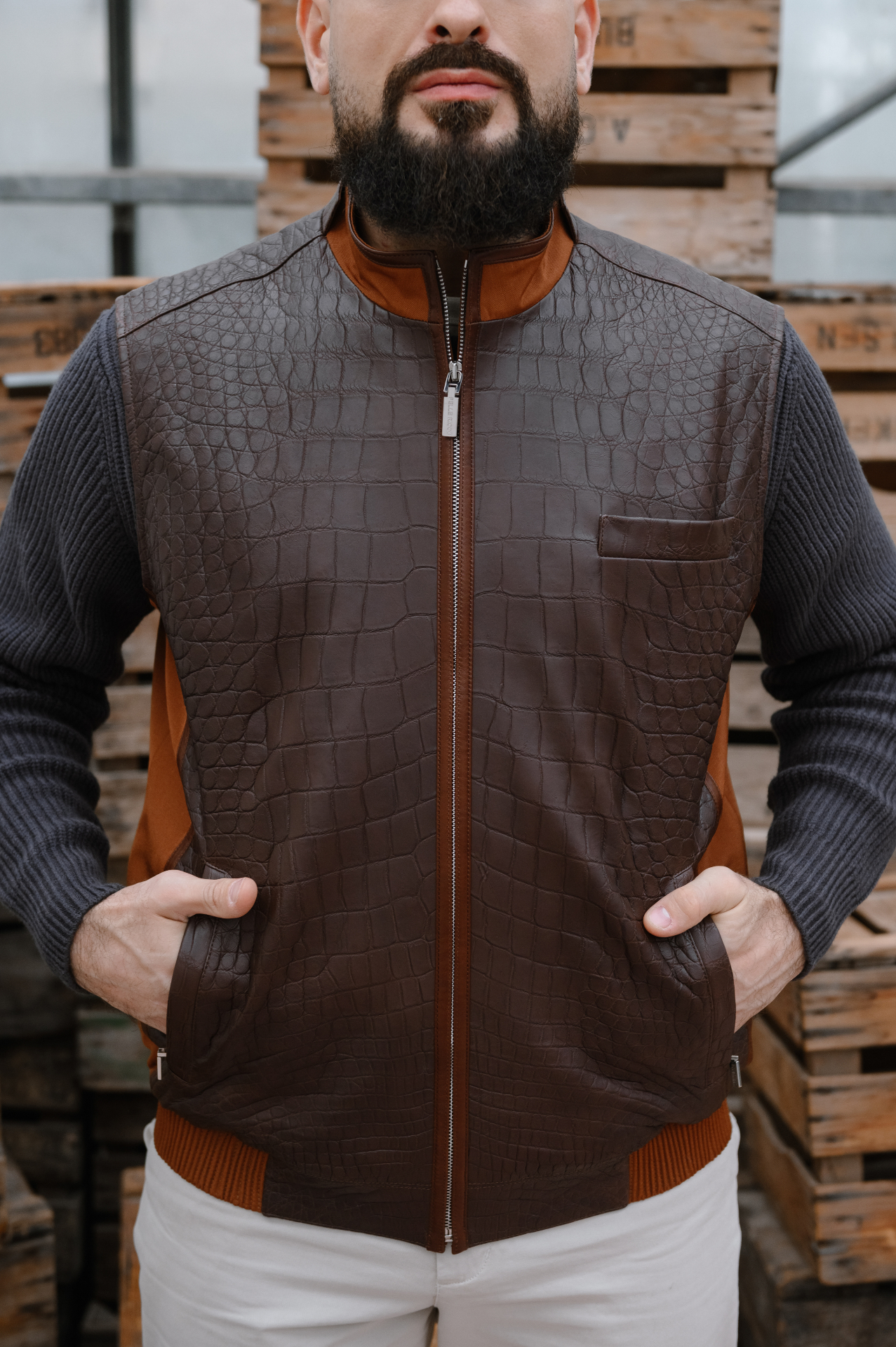
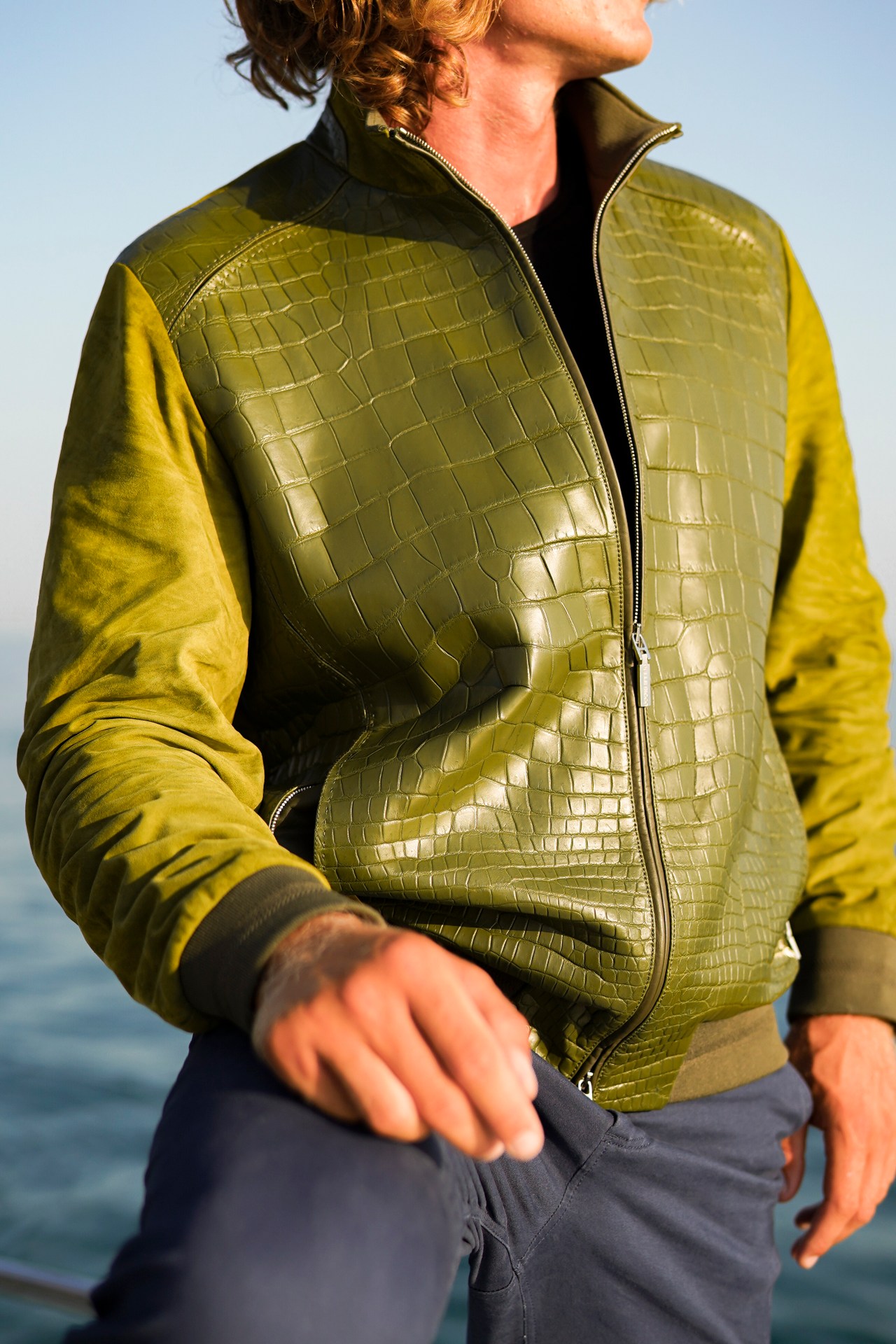
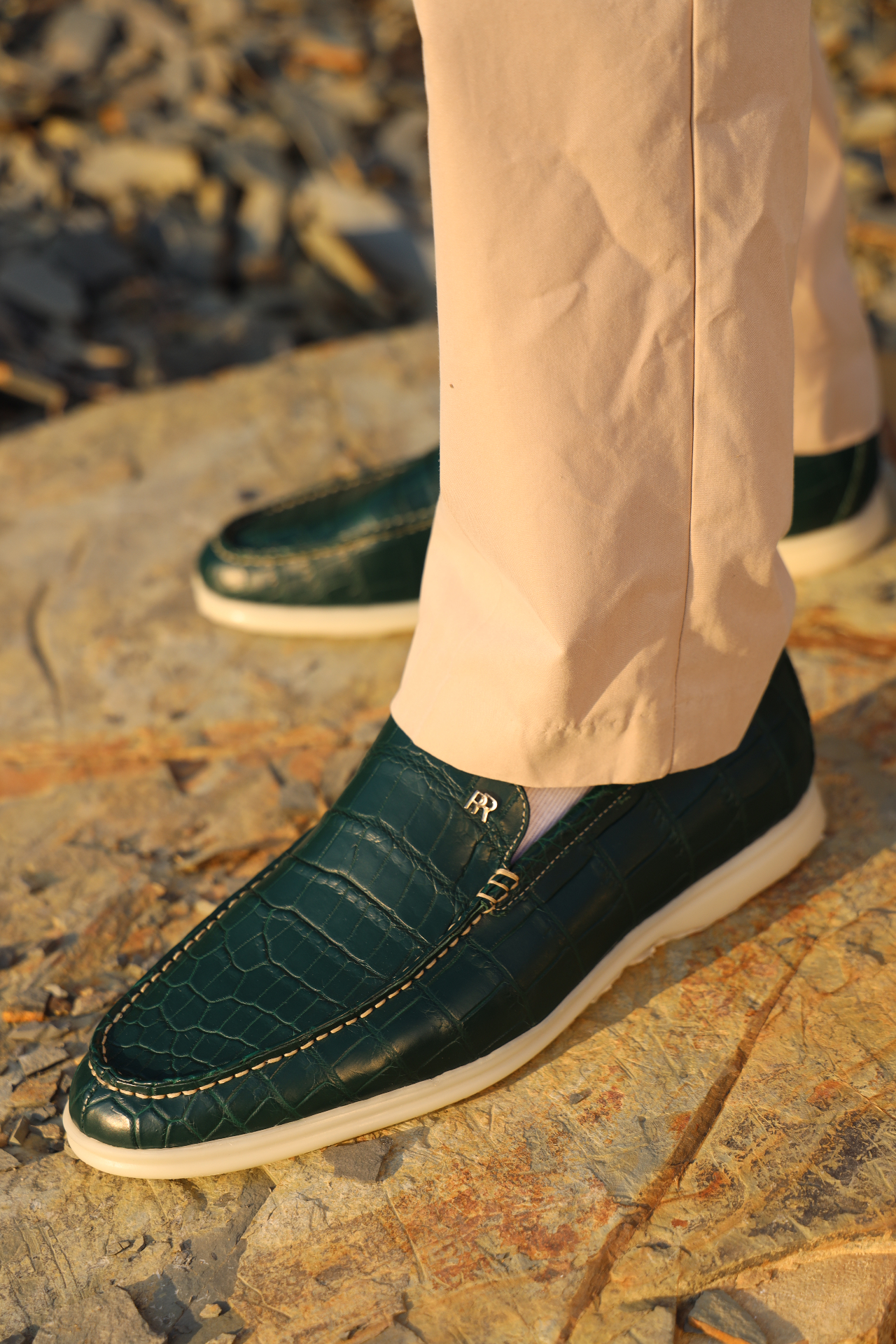
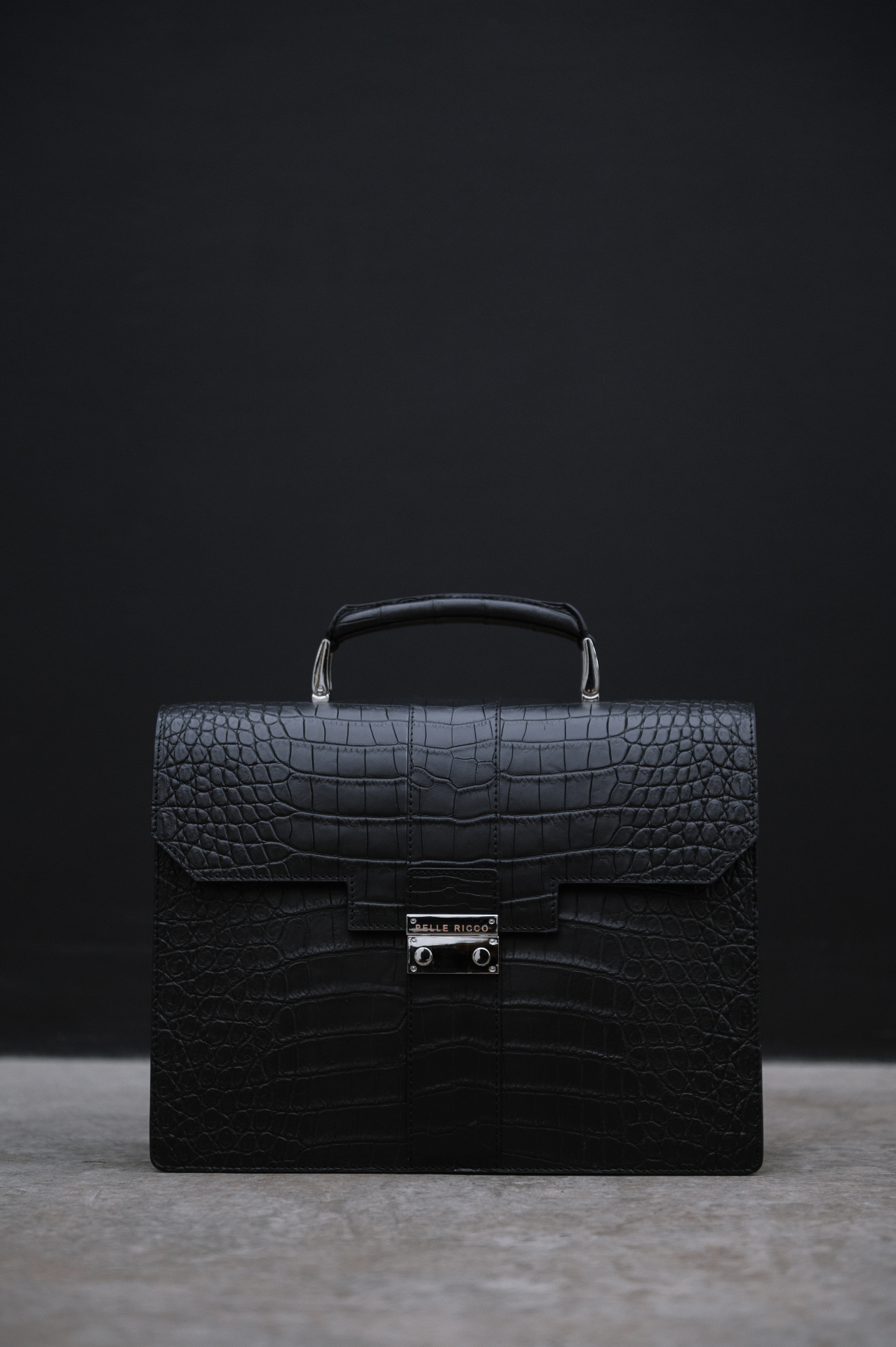
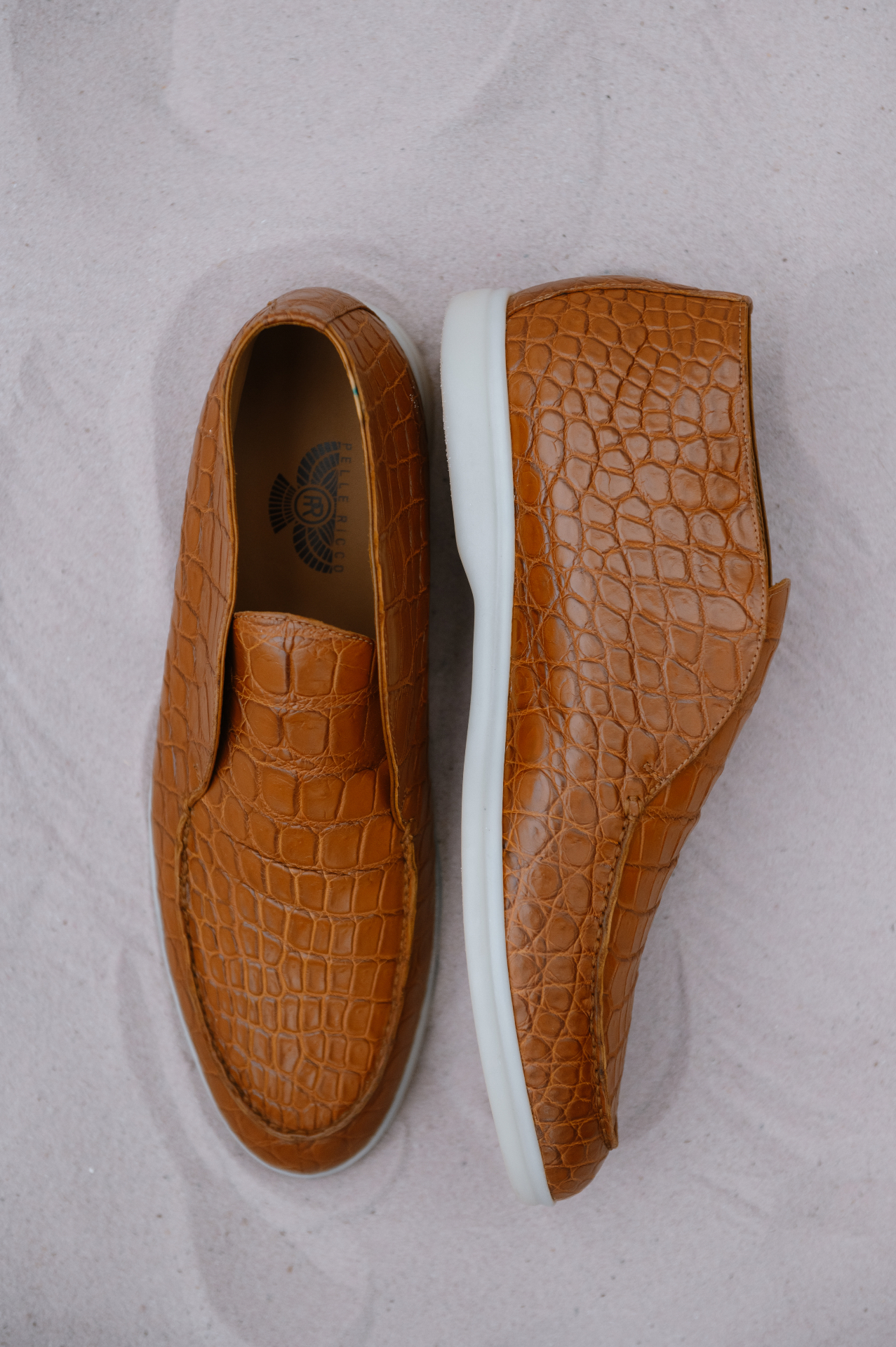
Crocodylus porosus — the saltwater crocodile. The most highly regarded skin in exotic leather, valued for the regularity of its belly scales, the fineness of its grain and the depth it takes from finishing. Larger, more uniform scale pattern.
Crocodylus siamensis — the Siamese crocodile. A smaller, tighter scale pattern with a distinctive character of its own, well suited to smaller pieces and to accessories where the pattern is read at close range.
The two do not look alike, and neither looks the same twice. Where a piece is offered, we state which species it is made from.
Protection status
Both species are protected under the Convention on International Trade in Endangered Species of Wild Fauna and Flora (CITES), and within the European Union under Council Regulation (EC) 338/97.
Both are listed on CITES Appendix I, with certain ranched or captive-bred populations listed on Appendix II. Which regime applies to a given hide depends on its source and country of origin.
In practical terms this means:
- Movement across borders requires permits. For Appendix I material this generally means both an export permit from the country of dispatch and an import permit from the destination country.
- Permits take time — several weeks is normal — and the process cannot be accelerated.
- Some countries prohibit the import of crocodilian products entirely. Buyers are responsible for the rules of their own country.
- Documentation must remain with the item permanently, including when carried personally. Replacement documentation cannot always be obtained.
Sourcing
All hides are sourced from CITES-registered operations and are accompanied by the documentation required at the point of acquisition. We do not work in wild-taken skins.
We will confirm the species, source, country of origin and documentation status of any specific piece on request. If that information matters to you, ask before enquiring rather than after.
Certification
[TO BE COMPLETED — state here which certificates you hold and can supply with a piece: source certificates from the tannery, CITES import documentation, and, for commercial offering within the EU, any Article 10 certificate under Regulation (EC) 338/97. Confirm this section with a CITES-experienced adviser before publishing.]
The Italian CITES authority
Enforcement in Italy is the responsibility of the Comando Carabinieri per la Tutela della Biodiversità e dei Parchi.
Care
Exotic leather requires care, and porosus and siamensis do not respond identically to the same treatment. Care instructions are supplied with each piece and available on request.
We offer repair and restoration. Contact us rather than a general leather repairer — inappropriate treatment can cause irreversible damage, and on a CITES-documented item, unauthorised alteration can raise questions about the documentation as well.